Top Biking Resources
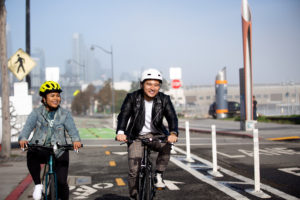
Learn the Rules of the Road
To pedal safely and legally in San Francisco, it’s important to learn the bicycle rules of the road.
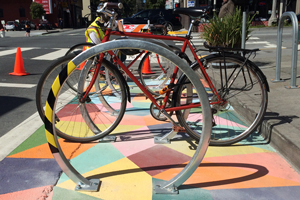
How to Lock Your Bike
Learn how to keep your bike safe and secure using precautionary measures and proper locking techniques.
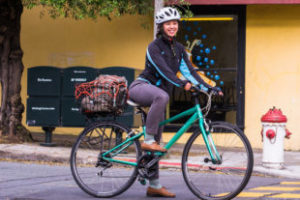
Take a Free Bike Ed Class
Free, in-person and online bicycle education classes are available for all ages, skills and experience levels.
How to Fit Your Helmet
How to Fit Your Bike
Communicate with Hand Signals
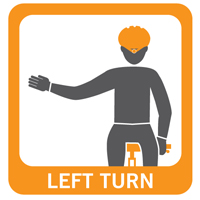
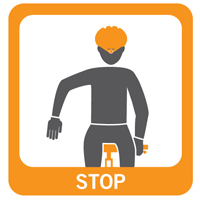
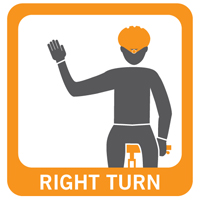
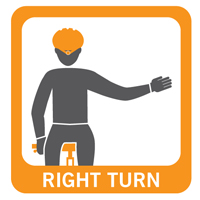
Use hand signals to communicate your intentions to those around you. There are two options for how to communicate turning right.
Be Aware of the “Door Zone”
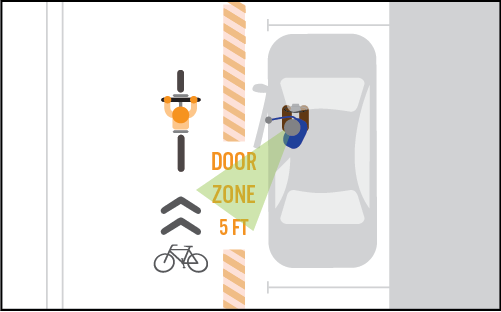
Whether riding in a bike lane or on a shared street, you should always be sure to stay 3-5 feet away from parked cars to avoid any opening doors. Some standard bike lanes are not painted outside of the door zone, so ride on the left side of the lane to be outside of the door zone. If you are opening a car door, remember to check for people biking before opening your door.
Understand Right-Turn Safety
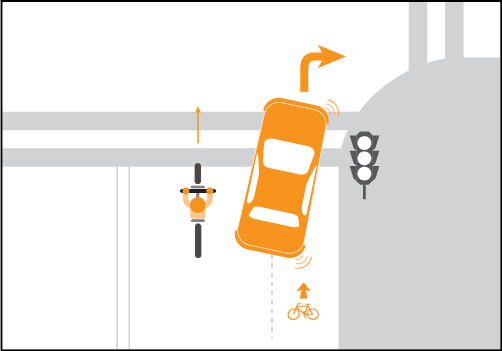
If you’re continuing straight while biking alongside a right-turning vehicle, signal, check over your left shoulder, and safely merge into the general traffic lane to pass the vehicle on the left.
Perform the ABC Quick Check
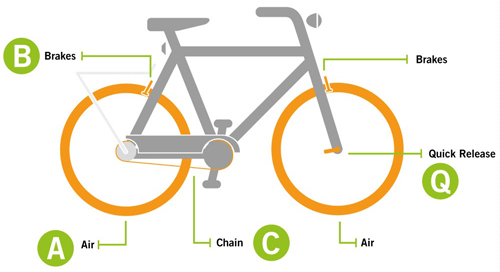
Do this one minute pre-ride check every time you ride to ensure that your bike is ride-ready.
A = Air
Squeeze your tires. They should feel hard, like a potato. If they need air, you can find the recommended PSI (pounds per square inch) on the sidewall of your tire. If you have a pump with a gauge, pump up your tire to within the recommended range. If you don’t, no worries, just fill them up until they are potato-hard. If it’s been a while since you rode, your tires may be brittle and have cracks. If this is the case, they should be replaced.
B = Brakes
The easiest way to check your brakes is to squeeze down on each brake one at a time (Right = Rear, Left = Front) and try to roll your bike forward. If there is significant forward movement, your brakes should be adjusted. If you don’t feel confident that your brakes are working well, take your bike to a bike shop before riding it!
C = Chain and Cranks
Check your chain for any visible rust, and clean and lube if needed. The cranks connect your pedals to the bike frame. Pull them away from the frame; if they move, they should be tightened.
Quick = Quick Releases
Most bikes have quick release levers on the wheels and seat. Make sure these are tight, the levers are locked and curving toward the frame. The levers on your wheels should be pointing towards the rear of your bike (not pointing forward, as they could get caught on something).
Check = Final Check
Finally, shake your bike, bounce your bike, and make sure nothing falls off or sounds weird. Ride around the block before heading out on your ride to make sure everything is in working order.